

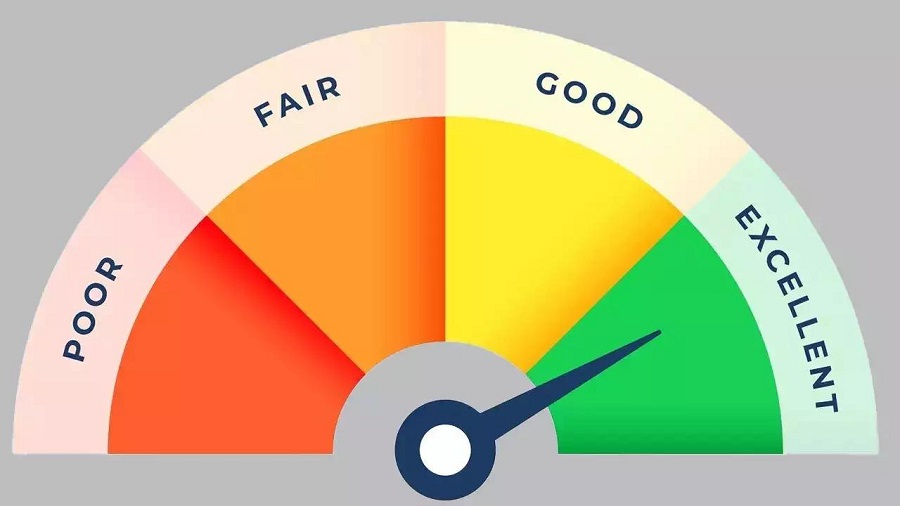

Your CIBIL score plays a vital role in loan approvals and credit decisions. A score of 600 falls in the fair range and may lead to rejections or higher personal loan interest rates. Raising your score to 750 can help you qualify for loans at more favourable terms. A strong score reflects consistent repayment habits and sound financial discipline.
Why a Good CIBIL Score Matters
A CIBIL score ranges from 300 to 900. A score closer to 900 indicates better creditworthiness. Lenders usually prefer a score of 750 or higher, which is considered the best CIBIL score range for personal loans and credit cards.
A high score brings several benefits:
- Quicker loan approvals
- Lower interest rates
- Higher credit limits
- Access to premium credit products
If your score is around 600, lenders may see you as a high-risk borrower. However, improving your score is entirely possible with steady effort and practical steps.
Step 1: Review Your Credit Report
Start by checking your credit report through the CIBIL website or other authorized bureaus. The report lists your loans, credit cards, payments, and balances. Reviewing it helps you identify factors that are affecting your score.
Look for:
- Errors in account details or repayment records
- Duplicate or outdated loan entries
- Missed payment entries that you can prove are incorrect.
If you find an error, raise a dispute with the bureau. Correcting inaccurate information can increase your score quickly. Many people ignore this step, even though it can make a noticeable difference.
Step 2: Pay EMIs and Card Bills on Time
Timely repayment is the most key factor in maintaining a healthy credit score. Even one missed EMI or card bill can lower your score sharply. Set up auto-debit or reminders to avoid delays.
If you already have pending dues, clear them first before taking any new credit. Making all future payments on time steadily restores your credibility and improves your score within a few months.
Step 3: Reduce Your Credit Utilization Ratio
The credit utilization ratio (CUR) shows how much of your total credit limit you are using. A CUR above 40 percent may signal that you rely too heavily on credit.
Suppose your credit card limit is 1,00,000 and your monthly usage is around 70,000. That means your utilization is 70 percent, which can drag down your score. To fix this, pay off outstanding balances frequently, request a higher limit, or distribute spending across multiple cards. Keeping usage below 30 percent helps improve your score faster.
Step 4: Limit New Credit Applications
Every loan or credit card application result in a hard inquiry on your credit file. Too many inquiries within a short span make you appear credit-hungry, which can lower your score.
Instead of applying to several lenders, use pre-approved offers or soft-check tools to assess eligibility. Once your score improves, you can apply again with better chances of approval and lower interest rates.
Step 5: Maintain a Balanced Mix of Credit
A healthy credit profile includes both secured and unsecured loans. For example, having a home loan (secured) and a credit card (unsecured) shows that you can manage different credit types effectively. Only relying on unsecured products, such as personal loans, may indicate higher risk.
Keeping a mix of credit types demonstrates financial maturity and supports consistent score growth.
Step 6: Keep Older Accounts Active
Older credit accounts build your credit history and show lenders that you can manage credit responsibly over an extended period. Closing old cards or loans shortens your credit history and can hurt your score.
If you have an old credit card, keep it active for small, regular spends and pay off the balance each month. Maintaining an old account in good standing has a positive effect on your credit score.
Step 7: Clear Negative Accounts
If you have accounts in default or under collection, resolve them as soon as possible. Contact your lender to settle or close these dues. Once cleared, ask the lender to update the account status to “closed.” A closed status is far better for your credit profile than one marked “settled” or “written off.”
You may see improvements within a few months once your updated record reaches the credit bureau.
Step 8: Avoid Co-signing Risky Loans
When you co-sign a loan or function as a guarantor, that loan becomes part of your credit record. If the primary borrower defaults or delays payment, your score drops too. Be selective about co-signing and only do so if you are confident in the borrower’s repayment behaviour.
Step 9: Stay Consistent and Patient
Improving a credit score takes time. Consistent repayment, disciplined use of credit, and avoiding unnecessary borrowing create a lasting impact. With steady behaviour, most borrowers can move from 600 to 750 within 6 to 12 months.
Benefits of Reaching the 750 Range
A high score opens the door to many credit advantages. Once your CIBIL score crosses 750, you can:
- Qualify for personal loans with lower interest rates.
- Get higher loan amounts and flexible repayment tenures.
- Receive pre-approved loan offers.
- Enjoy faster approvals with fewer documents.
A score above 750 shows lenders that you are dependable, reducing the risk premium they charge on your loan.
Final Thoughts
Moving your CIBIL score from 600 to 750 is realistic if you build disciplined repayment habits and manage credit carefully. Review your report, pay bills on time, reduce debt ratios, and maintain old accounts. Avoid too many credit applications and clear negative records wherever possible. Staying consistent leads to steady improvement. Once your score reaches 750 or higher, you can enjoy lower personal loan interest rates and better overall access to credit.





Add Comment